


Usually, the pièce de résistance was saved for the end credit track—think of Shrek 2 (as I often do), which delivers not only a Frou Frou cover of “Holding Out for a Hero,” but also the cast karaoke version of “Livin’ la Vida Loca” which was truly inescapable in 2004, and I’d argue an improvement on the original. I’ve often considered whether or not I’d love “Dig It” from Holes by (checks notes) “the D-Tent Boys” as much as I would if I’d heard “No Diggity”—the song it’s so clearly aping—first, but I didn’t, so I do.
"It’s no surprise that a number of end-credit songs have reached iconic if not mimetic status."
It’s no surprise that a number of end-credit songs have reached iconic if not mimetic status. How many times has the Bourne films' “Extreme Ways” played in my head while making a French exit from a dying party? Nor can I count the times I’ve thrown on the “Oppenheimer if it came out in 2007” meme, whether simply to lift my spirits or to consider in awe how expertly timed the Transformers Linkin Park drop is. The concept of exit music for a film itself is so potent that Radiohead named their Romeo + Juliet closer after it. That song can now be found at the end of such classic works as The Beaver and episodes of Ryan Murphy’s network drama 9-1-1.
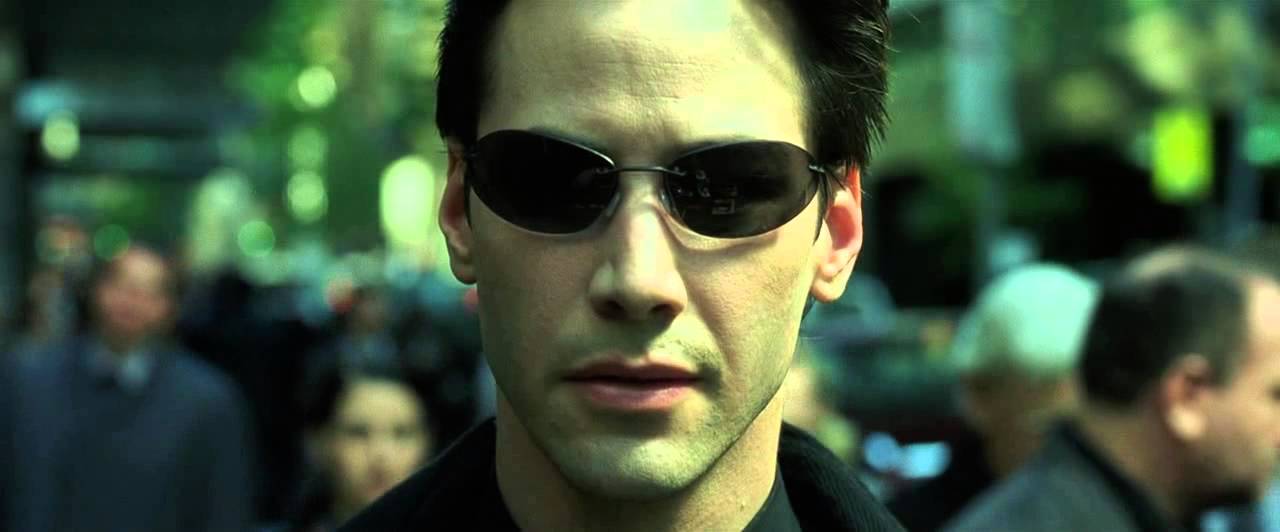
The arrival of that final tune is a powerful moment in any movie. It’s the tape between the last shot and the first credit. A J-cut transition from the world of the film into the cinema’s lobby. It’s the soundtrack of your exit, a last chance to set a mood or frame a thought for an audience as they begin to reflect on the work as a whole. James Gunn’s Superman from last year ends with “Punkrocker” by Teddybears (feat. Iggy Pop), a classic James Gunn earworm. The song’s radio-safe pop quality makes its refrain of “I’m a punk rocker, yes I am” almost ironic, but in a way that underlines the point Gunn is making with his superhero film: sometimes it’s cool to be corny. The Matrix ends with Rage Against the Machine’s “Wake Up”—another bit of kismet; the name succinctly summing up Neo’s journey while also sending the audience out with one last rap-rock fuck you to the system.
What song to pick is no light choice. To simplify things for any filmmaking readers searching for a place to start, I’ve provided three main categories for consideration:
It’s Just the Score
The most boring option. Might be rude to say it, but I’ve never been much of a score-listener. Call me mad, but I think a movie score is best appreciated as part of a movie. Having it play over a credit scroll is fine, sure, but fine in the way DVD menus can be fine. There’s definitely a ceiling, and it’s not that high.

The Tie-In Track
A cross-medium collab best served with a themed music video, ideally featuring pop stars edited into scenes from the motion picture. No better encapsulated than by three singles that serve as pillars of the genre, all dropped by one artist within a 5-year span, and most of them dare I say slap: “Men in Black,” “Wild Wild West,” and “Black Suits Comin’ (Nod Ya Head)”. Together, they are The Willogy. Will Smith was undeniably the king of the tie-in track at the phenomenon’s cultural peak.
The Needle Drop
Like a peek inside the filmmaker’s personal playlist. Despite the challenges of “using someone else’s poetry to express how you feel,” as High Fidelity’s Rob puts it, a well-chosen song can become as identifiable with the film as the film’s own score. “Extreme Ways” was not written for The Bourne Identity, but it might as well have been. I wouldn’t be surprised if Zach Cregar wrote Barbarian specifically to end it with “Be My Baby”, and now I’ll never think about that song the same way again.
There are a few cases that escape this system of categorization, like the Cast Karaoke Track—a unique and powerful exception that includes the aforementioned Shrek 2 closer as well as Mamma Mia!’s “Waterloo” finale.
So which is the best? If you have a composer with the talent to bump your 2-star movie into 3-star territory, something akin to the miracle Daft Punk pulled for Tron: Legacy, then perhaps a good score is all you need. The tie-in track is a high-risk, high-reward game. Sometimes, the second end credit slot for Batman Forever gives you a genuine hit like Seal's “Kiss From a Rose”. Sometimes you get that Lady Gaga Top Gun: Maverick song. The hired gun nature of writing a tie-in track does not always wake the creative muse, but when it does, it can be truly special.
My preference has always been the needle drop. These songs have lives outside of the films that deploy them. They bring their own cultural contexts as well as our individual relationships with them into the cinema. This can be leveraged to great effect. The banger Todd Field ends Tár with is a perfect punchline exactly because Tár is not the kind of movie you’d expect to find an EDM deep cut in. Lydia would hate it, but that’s the point. It fittingly punctures the pretension in a film all about pretension.
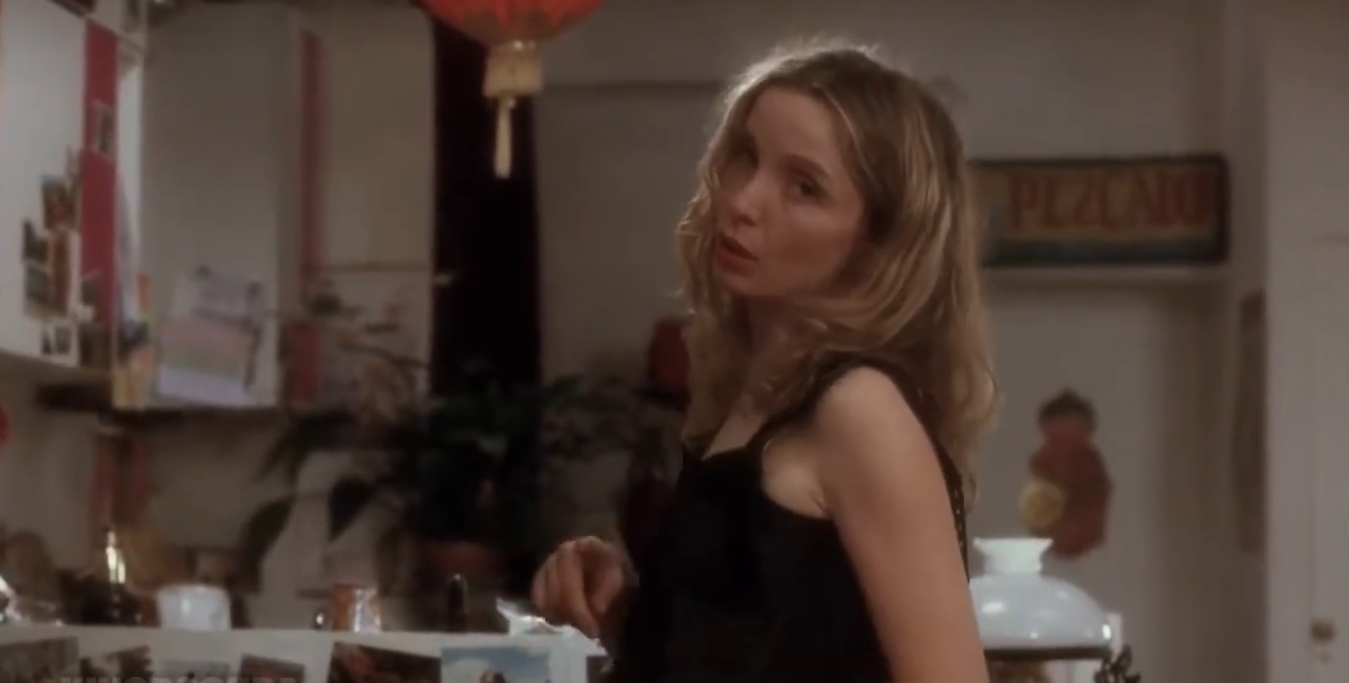
But for me, it’s the personal quality of a licensed track that makes it the most special. When a filmmaker chooses an existing song over one that was made to order or forced upon them for the purposes of brand synergy, it gives that choice an emotional weight. A significance not unlike sharing a song you love with someone you love. It’s like how in the final scene of Before Sunset, finding no words to express what he needs to say, Jesse saunters over to the CD player to put on the film’s closing track, “Just In Time” by Nina Simone. It says everything it needs to, both to Céline and us. It feels like a discovery, like the heart of the film is being revealed to you.
We all score our lives to some extent or another. Who doesn’t have a gym playlist or make-out mixtape ready to go in their Spotify? A song you play to get through a tough day or a devastating breakup? I never fail to cry when The Mountain Goats’ “This Year” plays at the end of Minding The Gap, not only because it so perfectly sums up the entanglement of pain and hope that courses through the lives of Bing Liu and his friends as captured in his monumental documentary, but because it’s the same song I’ve turned to time and time again when I’ve needed something to keep me going. As morbid as it might seem, I’d hope I’m not alone in having considered what song I’d want playing at my funeral. For my benefit, I’d like you to imagine “Waters of March” playing over this conclusive paragraph. It’s an end-credit song from not one, but two of my favourite films from this decade. It’s a feeling. It’s an idea. A summary. A joke. A closing statement. A slap in the face or a sweet release. It’s the final word and the ribbon on top.
In celebration of the end credit song, me and my fellow In The Mood contributors have put together an end credit song playlist featuring some of our own favourite exit tracks for you to enjoy: